

Clinical Outcomes of Dapsone 5% Gel in Adult and Adolescent Female Acne Patients

Introduction
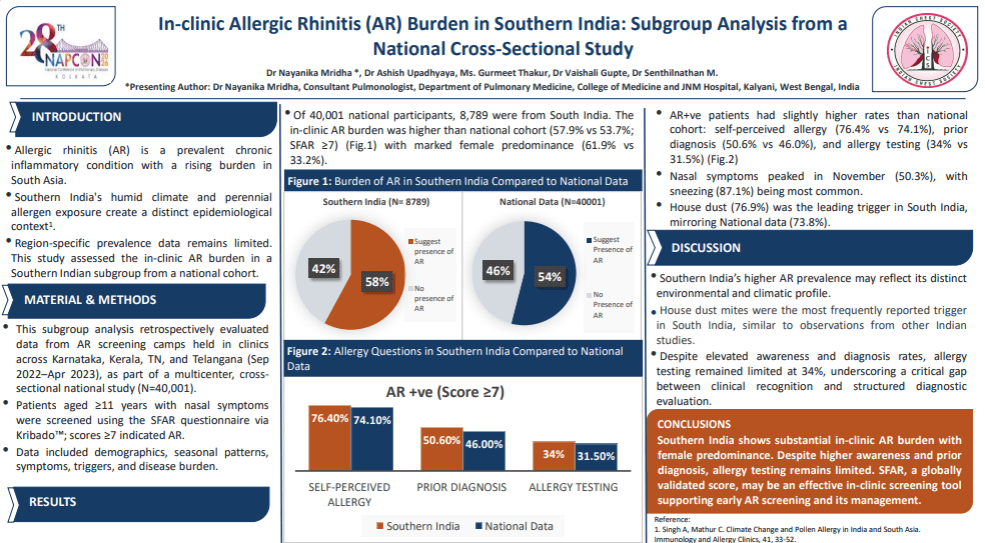
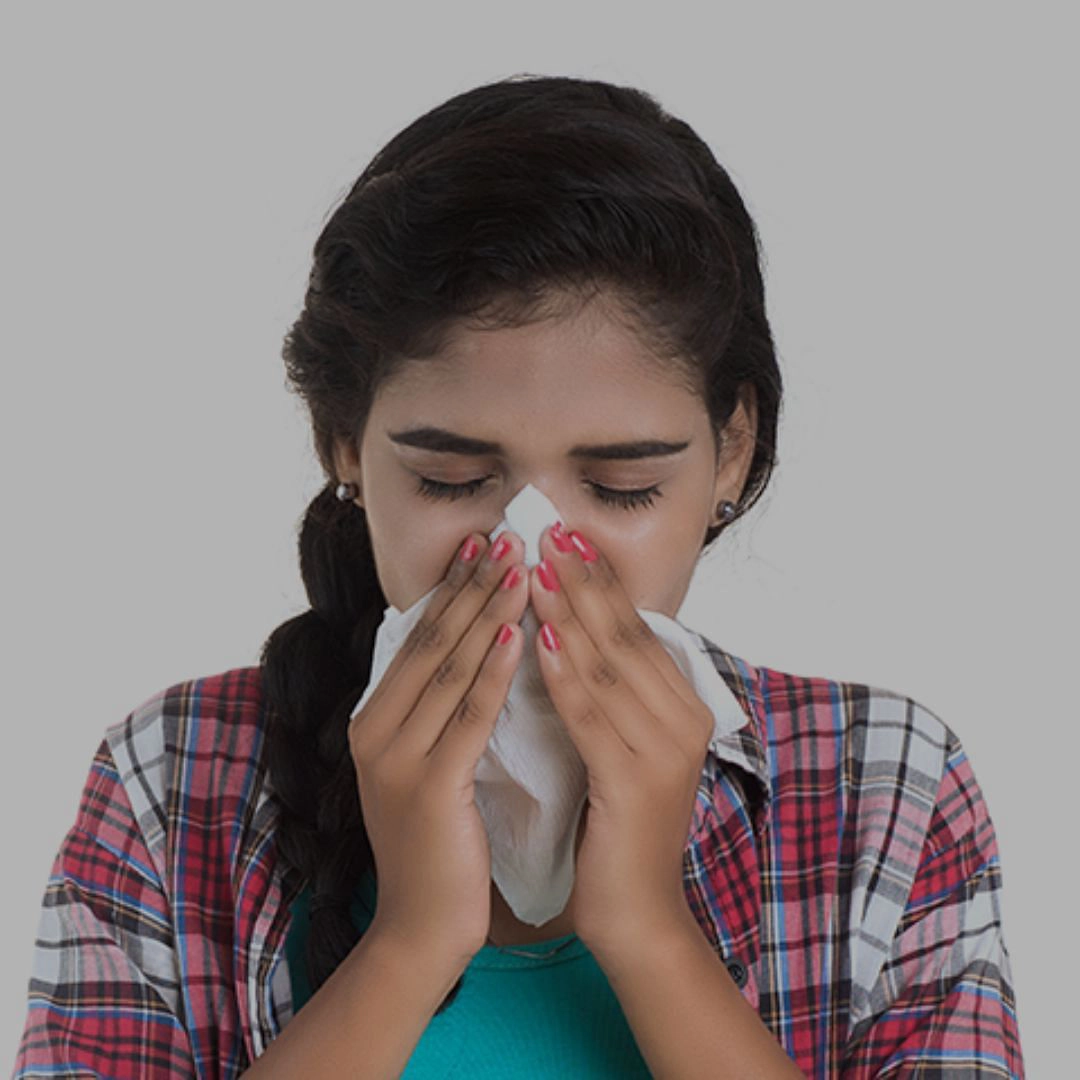
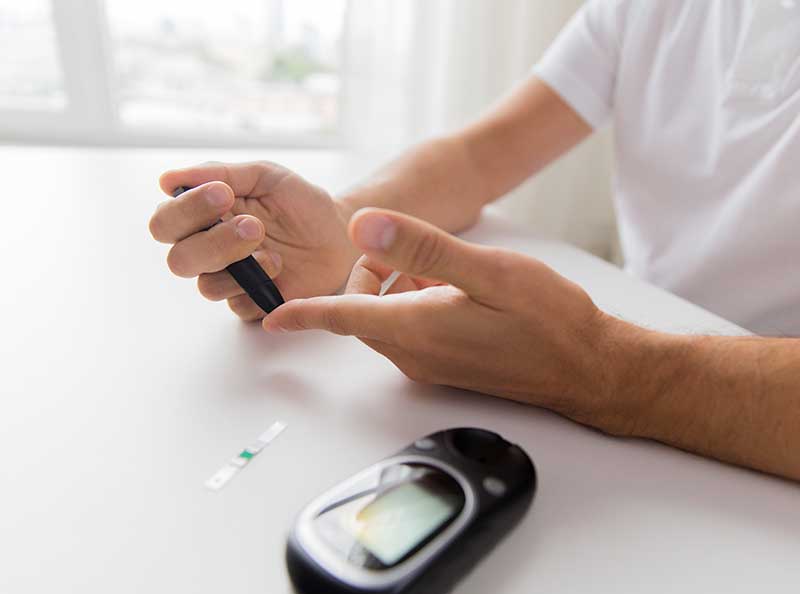
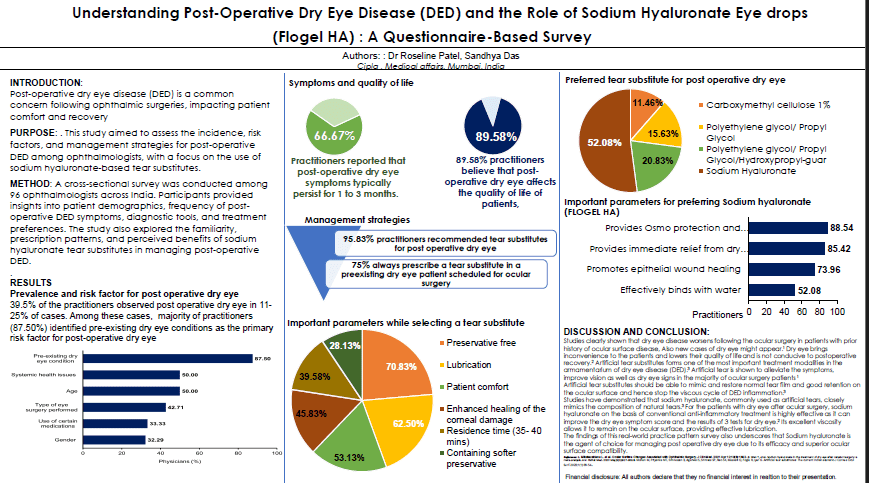
Acne vulgaris (AV) is common in both adolescent girls and adult women, yet data comparing treatment outcomes between these populations are limited.
Aim
This subgroup analysis of two Phase 3 trials evaluated whether dapsone 5% gel demonstrates similar efficacy and safety in adolescent (12–17 years) and adult (≥18 years) females with facial acne vulgaris
Patient Profile
- Female patients with facial acne vulgaris aged 12 yrs and older.
- Adolescent subgroup: 347 females aged 12–17 years (mean age 14.4 years).
- Adult subgroup: 434 women aged ≥18 years (mean age 27.4 years).
Methods
Pooled subgroup analysis of two multi-center, randomized, double-blind, vehicle-controlled Phase III studies.
- Female patients aged ≥12 years with facial acne vulgaris.
Treatment
- Dapsone 5% gel,
- Comparator: Vehicle gel.
Applied twice daily to the face for 12 weeks
Study Assessments
- Participants were evaluated at baseline, Week 2, Week 4, Week 6, Week 8, and Week 12
- At each visit, the following were recorded
Primary Efficacy Endpoints
Global Acne Assessment Scale (GAAS)
|
Score |
Description |
|
0 |
None (clear) |
|
1 |
Minimal (almost clear) |
|
2 |
Mild |
|
3 |
Moderate |
|
4 |
Severe |
Clinical Success Definition
- Achievement of a GAAS score of 0 or 1 (none or minimal acne) at Week 12.
GAAS Outcomes Measured
- Mean GAAS score at baseline and Week 12.
- Change from baseline in GAAS.
- Proportion of patients achieving clinical success (GAAS 0–1).
Lesion Count Assessment
- Lesions were assessed at each visit as inflammatory (papules, pustules), noninflammatory (open and closed comedones), and total lesions (combined count).
- Efficacy was evaluated by the percentage change from baseline in inflammatory, noninflammatory, and total lesion counts.
- Treatment success was defined as a significantly greater mean percentage reduction from baseline in at least 2 of 3 lesion categories.
Safety Endpoint
- Adverse events and local tolerability assessments.
Results
Adolescents had significantly higher baseline lesion counts, while acne severity (GAAS) was similar between groups.
Table 1. Baseline Characteristics of the Study Population
|
Parameter |
Adolescents (n=347) |
Adults (n=434) |
p-value |
|
Mean age (years) |
14.4 |
27.4 |
<0.001 |
|
GAAS score |
2.5 |
2.5 |
0.2 |
|
Inflammatory lesions |
29.0 |
27.5 |
0.0233 |
|
Non-inflammatory lesions |
50.1 |
42.3 |
<0.0001 |
|
Total lesions |
79.0 |
69.8 |
<0.0001 |
Significant Improvement in GAAS
- Dapsone 5% gel significantly reduced mean GAAS at Week 12 in both groups (p<0.001).
- Dapsone significantly improved overall acne severity versus vehicle in both age groups
Table 2: Mean GAAS change from baseline with Dapsone and vehicle
|
Group |
Dapsone |
Vehicle |
p-value |
|
Adolescents |
−0.85 |
−0.67 |
0.0187 |
|
Adults |
−0.94 |
−0.80 |
0.0426 |
.
Clinical success (GAAS score 0 or 1) at Week 12:
- Adults achieved a significantly higher success rate than adolescents:
- 53.5% in adults
- 45.3% in adolescents
- Statistical comparison: p = 0.022
Figure 1. Lesion Reduction by Age Group with Dapsone 5% Treatment

Adults experienced significantly greater reductions in non-inflammatory and total lesion counts than adolescents (p<0.0001 and p=0.0008, respectively).
Tolerability Outcomes
- Treatment was well tolerated irrespective of age.
- Dapsone 5% gel improved local tolerability parameters in both groups, reducing the proportion of patients reporting:
- Erythema
- Dryness
- Oiliness
- Peeling
- Local tolerability findings were consistent with the overall Phase 3 population.
Safety Results
- Safety profile was comparable in adolescents and adults with no major safety issues and no previously unrecognized safety signals.
Conclusion
- Dapsone 5% gel applied twice daily for 12 weeks was effective, well tolerated, and safe in both adolescent girls and adult women with facial acne vulgaris.
- Significant improvements were observed in GAAS scores and acne lesion counts.
Reference
J Clin Aesthet Dermatol. 2015;8(1):31–37.